Leonardo Da Vinci
-
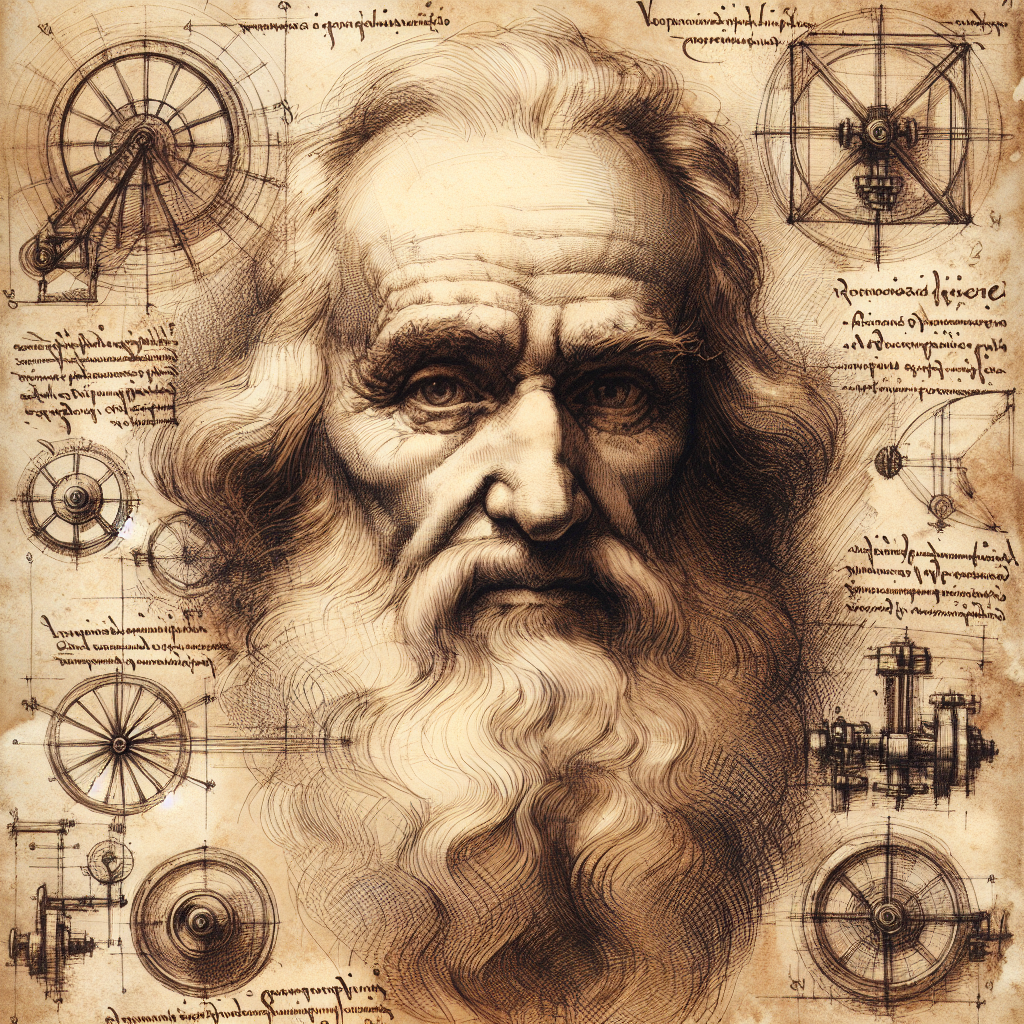
It has been a while since my last update to #EuropeanBios, but here we are are #39: Leonardo Da Vinci. The literal definition of Renaissance man, this astonishingly talented man was also openly, flamboyantly, dramatically gay, which is always my favorite kind of history.
-
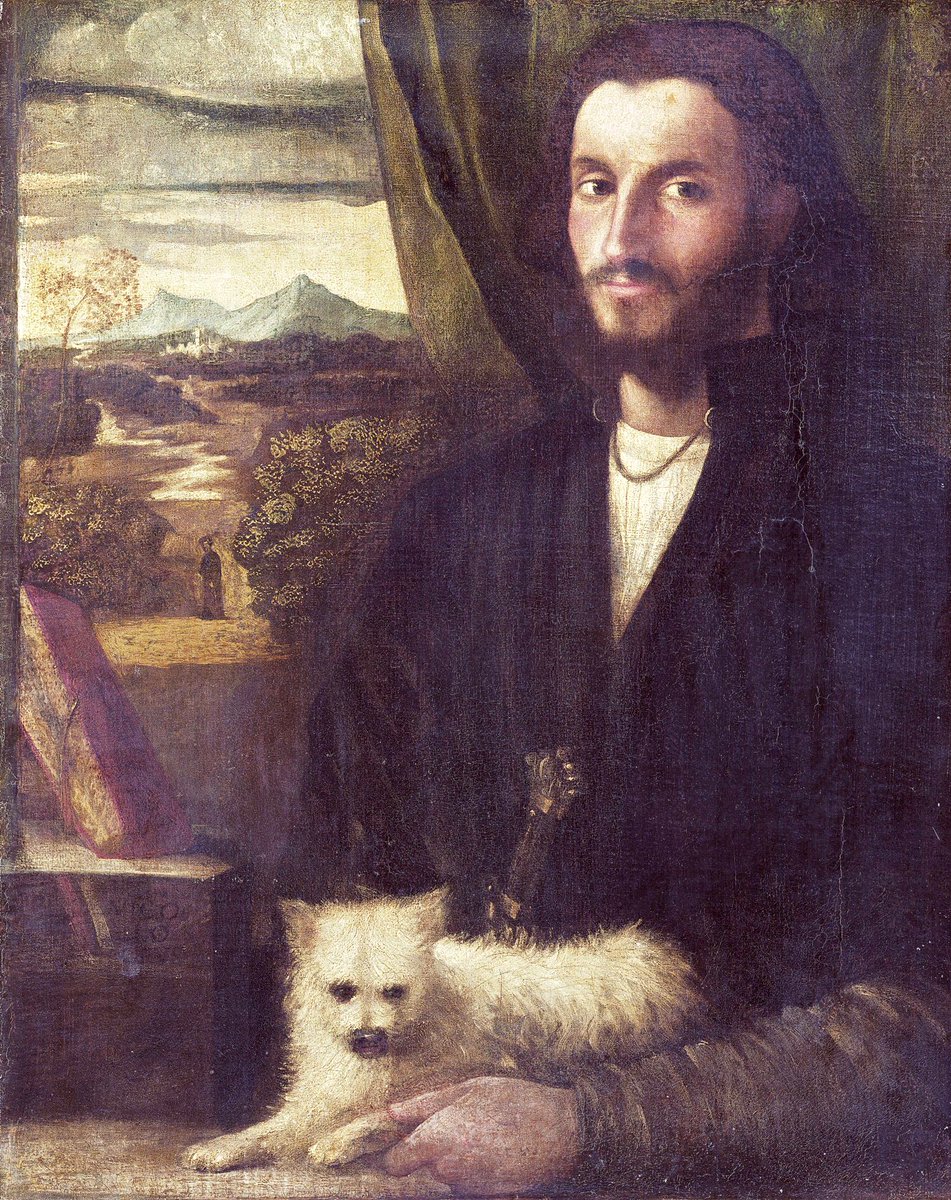
Portrait of a young Renaissance man with a dog public domain -
We are up to the 1500s and the printing press has been invented so we are suddenly neck-deep in historical sources and I've had to get very selective in who I cover, by which I mean very random. I have as many bios covering the last 2000 years as I do the next 500.
-
I look for connections between my subjects but now that they're all so close together it's very easy. Leonardo lived at exactly the same time as Isabella of Castille, our last subject, and had a fierce rivalry with Michelangelo, who's coming up shortly.
-
As is something of a theme with these bios, Leonardo's name came as a surprise: surnames were a somewhat recent phenomenon, and he was called "Da Vinci" because he was from Vinci, a town in northern Italy which still exists. It was still more of a description than a name.
-
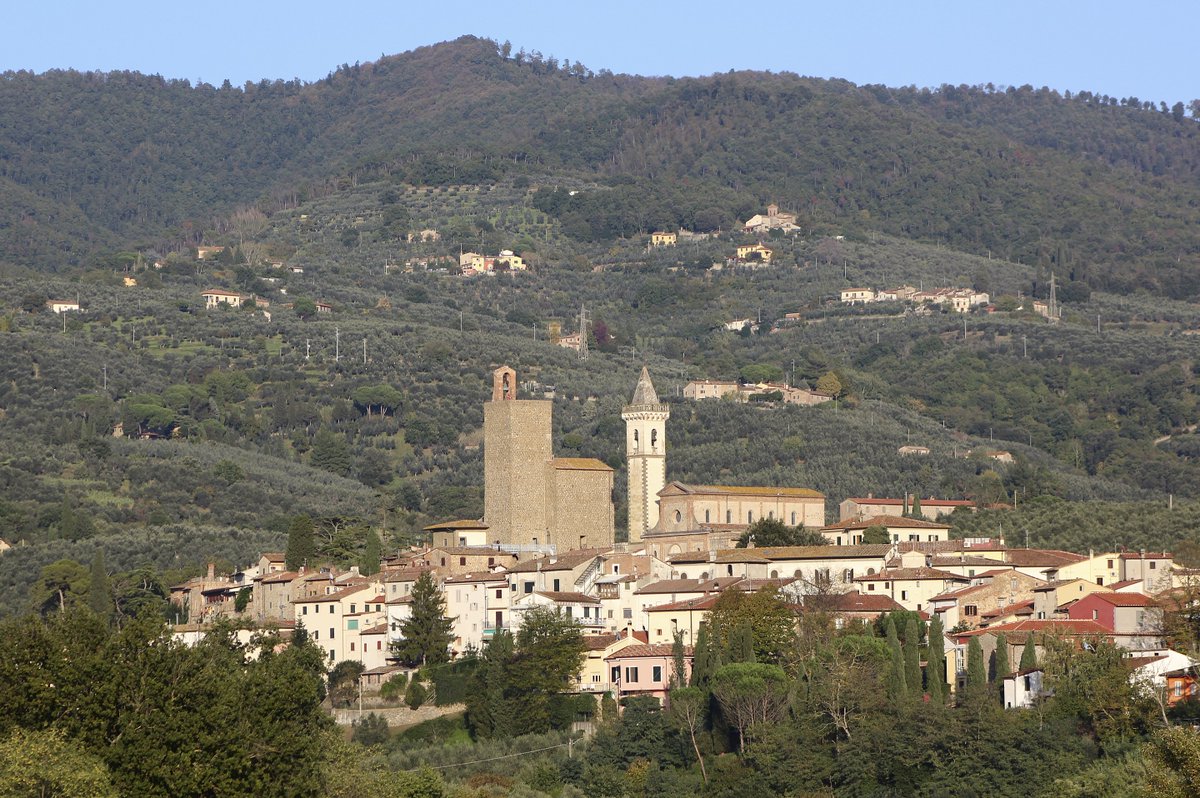
The town of Vinci, Italy, Leonardo's birthplace via Wikimedia Commons (CC BY-SA) -
Leonardo was an illegitimate son of a prosperous notary, Piero, and a woman described as a "peasant", Caterina. In a sign of the rampant sexism for which historians are known, nobody got around to figuring out what her name was until very recently, in 2017.
-
Leonardo's dad never married his mother but Italy was pretty relaxed about these sorts of things at the time, so Leonardo was openly acknowledged as Pietro's child even after Caterina married another man and Pietro married his first of four wives and both had more kids.
-
Leonardo was brilliant but also lucky. His father was prosperous, Italy was doing well, it was a long period of relative peace internationally, and of course it was the Renaissance, an explosion of cultural and intellectual progress unmatched in Europe's history.
-
Leo, as nobody called him but me, didn't get a lot of formal schooling but instead joined as an apprentice the studio of an artist, Andrea del Verrocchio, in Florence, which was about a day's walk away from his hometown.
-
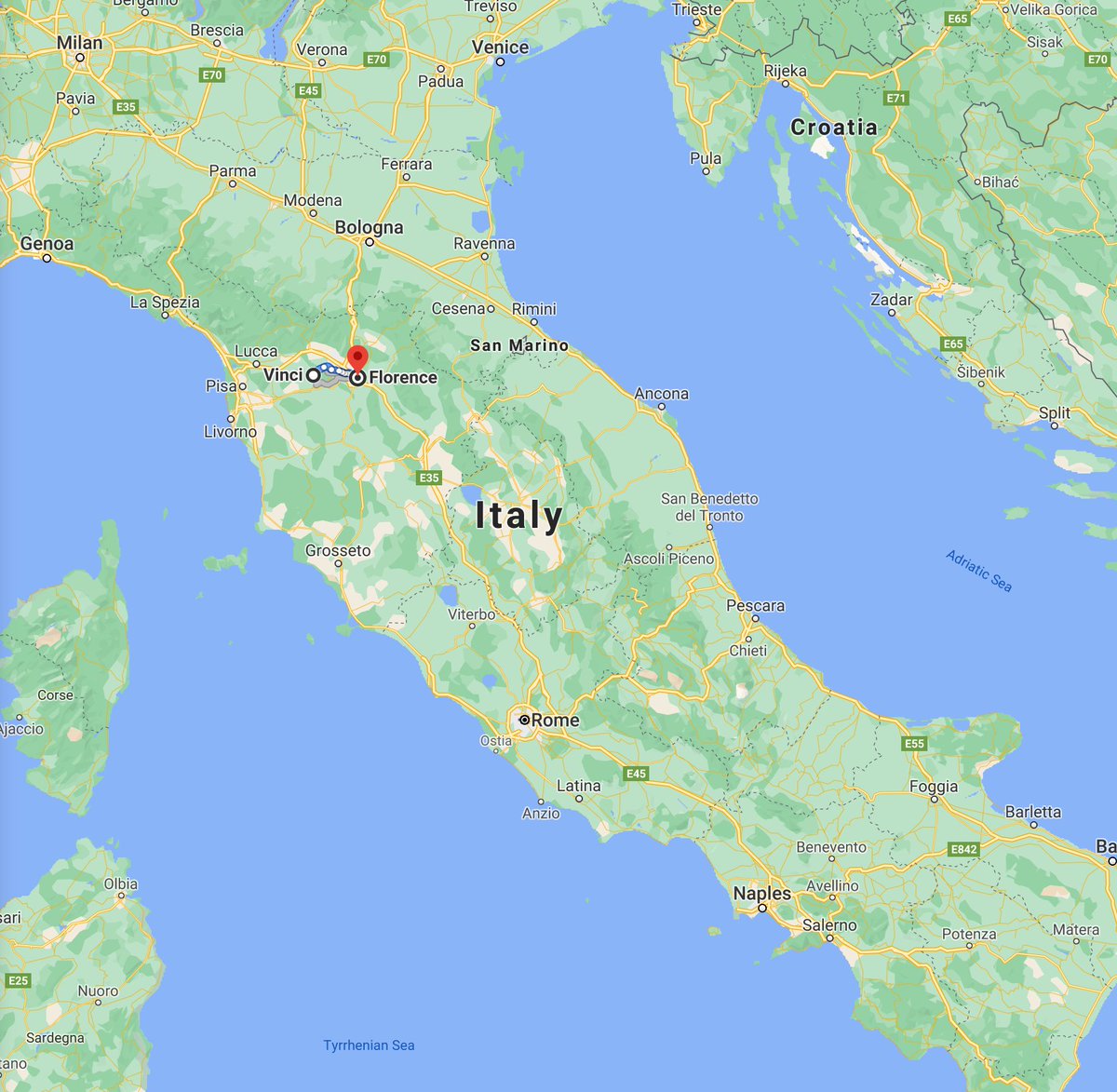
Map showing Vinci near Florence, Italy Google Maps data © Google -
Artists like Verrocchio did not regard themselves as, well, artists. They thought of themselves more as artisans, and their workshops were like little mini-factories, churning out popular art in quantity for quick sale, with multiple people collaborating on all the pieces.
-
This had two effects: the first was that Leo got a ton of practice at art, because he was making art over and over, constantly, often the same piece dozens of times. He did painting, sculpture, and lots of practical tool-making and machinery to get that all done.
-
The second was that for a lot of Leonardo's early work it's impossible to know if he did it or not. Sometimes he added just a single person to a larger painting, or just a dog, or a bowl of fruit, while the rest of the painting was done by others.
-
There is a whole cottage industry of Leonardo-identification. Sometimes you can tell by the way his hatching goes up and to the left, because of his left-handedness. Sometimes he has literally left his fingerprints by dabbing paint with his fingers. But there are many disputes.
-
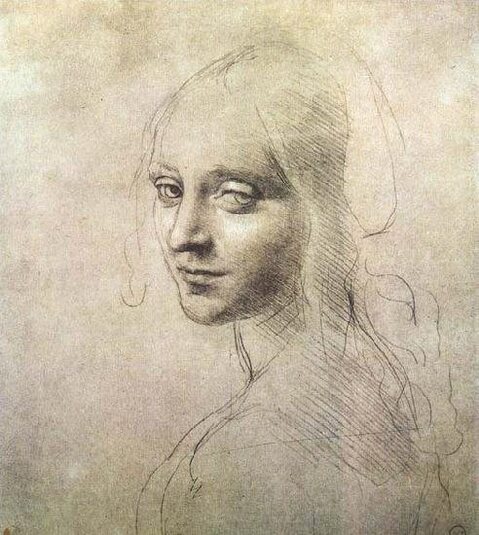
Study of a young woman's head, Leonardo da Vinci, c.1483-85 public domain -
The other thing we know about young Leonardo is that he was universally recognized as just being hot as hell. Unfortunately, we don't have a lot of portraits of him in his prime, because he wasn't famous yet.
-
We do know what he looked like as a child, however, because Verrocchio conveniently used young Leo as a model for his sculpture of David, so this is probably pretty close to what Leonardo looked like as a teenager, aged 14 or 15.
-
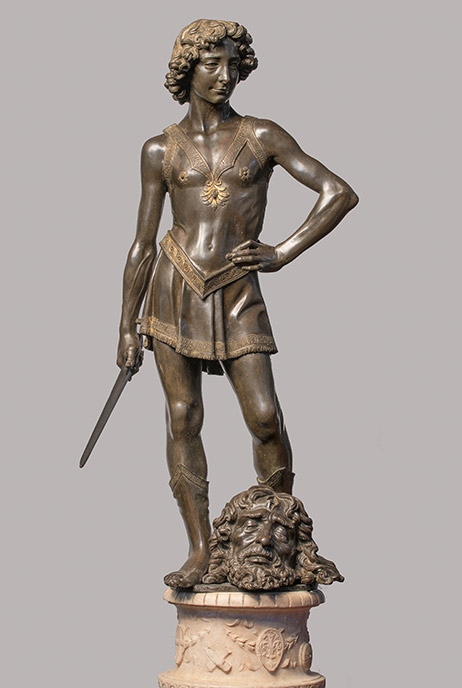
David by Andrea del Verrocchio, c.1473-75, Bargello Museum public domain -
Leo was famous for having a lot of flowing, curly hair, evident in the statue and his self portrait. He also dressed flamboyantly: a variety of high-quality stockings, coats, hats, robes, nearly always in shades of pink and purple. Just super, super gay.
-
His homosexuality is for once not remotely speculative. He was arrested for having sex with a male prostitute, he had a series of long-term live-in boyfriends, and he also wrote amusingly and at length about the penis and how great he thought it was (with illustrations!).
-
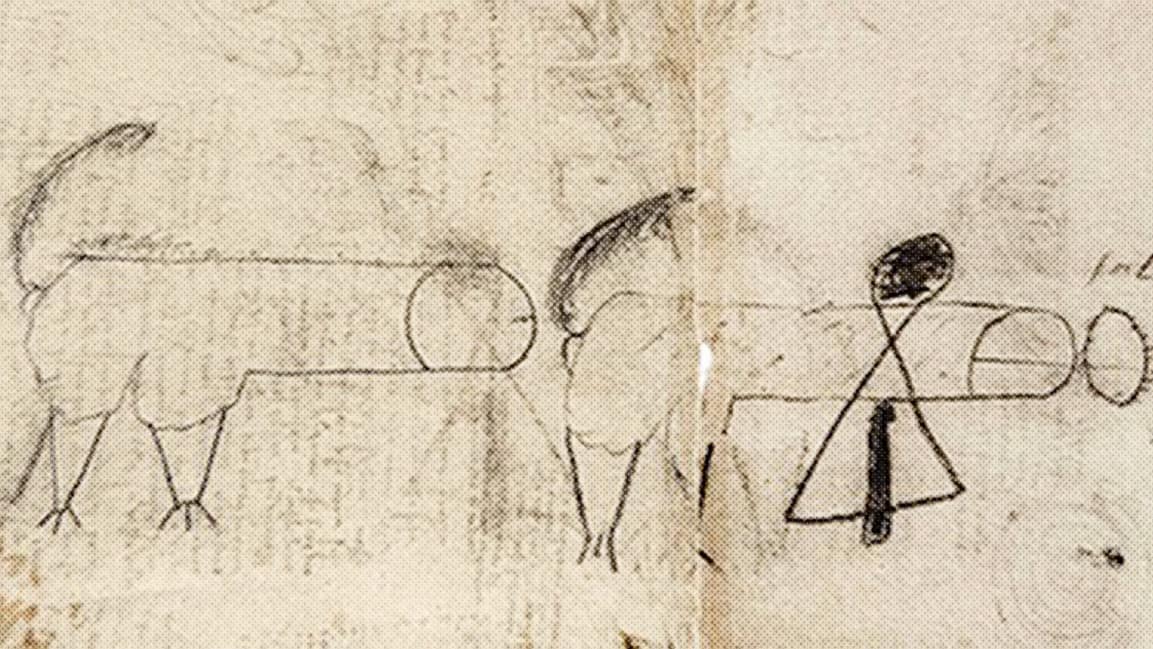
Notebook sketches of figures, Leonardo da Vinci public domain -
I can't emphasize this enough: he was just gay as hell. At no point did he tone it down. He dressed like a house fire and had a live-in twink for decades named Salai. Salai constantly stole his money and they had huge fights but they kept getting back together.
-
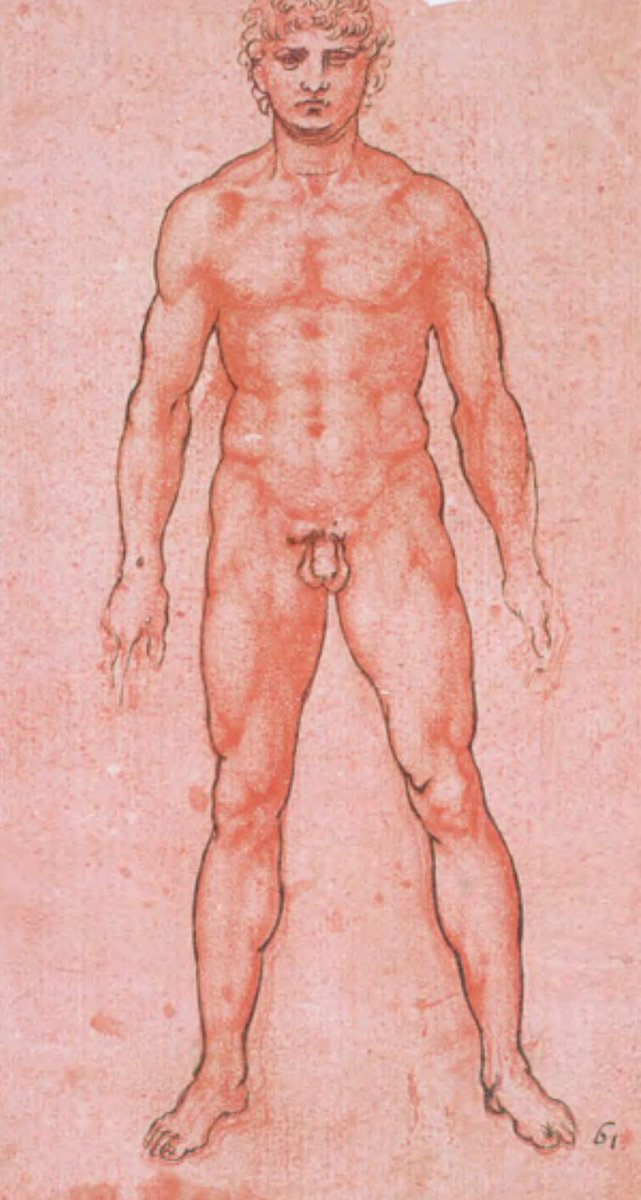
Nude male figure study (possibly Salai), Leonardo da Vinci public domain -
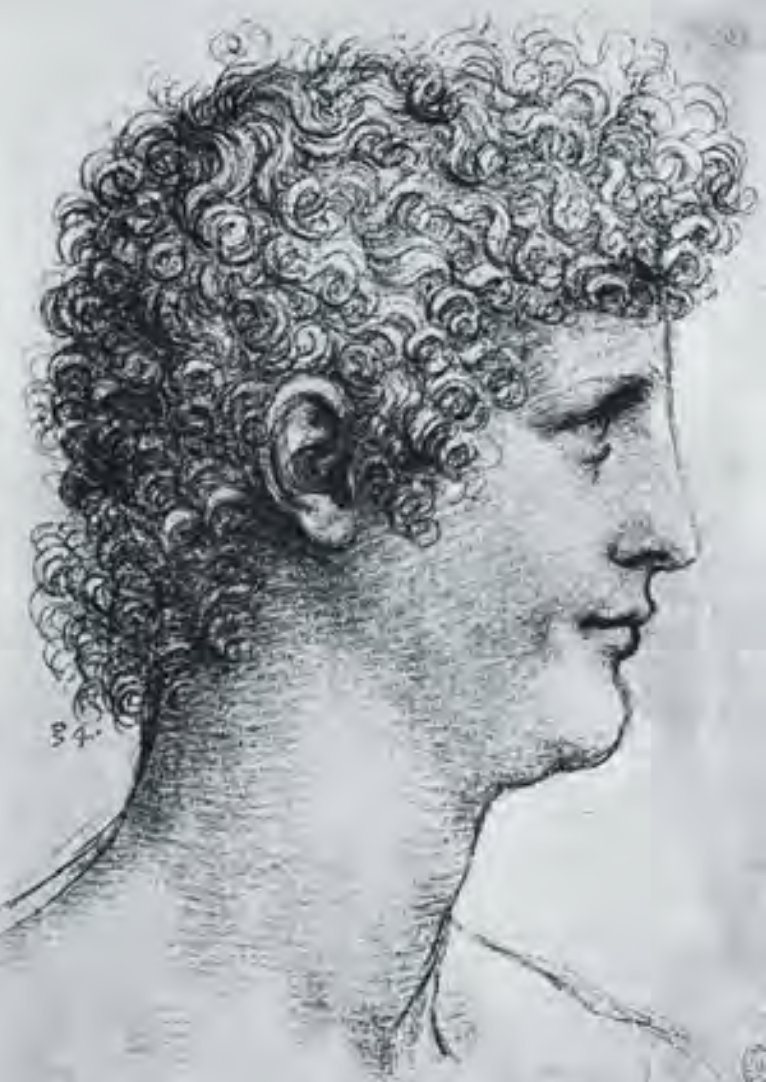
Portrait of a young man with curly hair (possibly Salai), Leonardo da Vinci public domain -
Like all A-gays he also had a nemesis. In Leo's case it was the equally famous, equally gay, slightly younger genius Michelangelo. The two were jealous of each other and constantly sniping that the other was less talented and that they could have done a better job.
-
Continuing the gay stereotypes, he was also very into theater. But this being Leonardo, he didn't just attend theatre, he created it. The ruling families of Italy reinforced their status with huge theatrical shows and multi-day carnivals, and Leo made things for those.
-
He made all sorts of theater things: he designed costumes, stage props, and machinery for creating special effects. His famous drawing of a helicopter-like device was probably not really intended to fly, but only to look like it was flying as a special effect in a play.
-
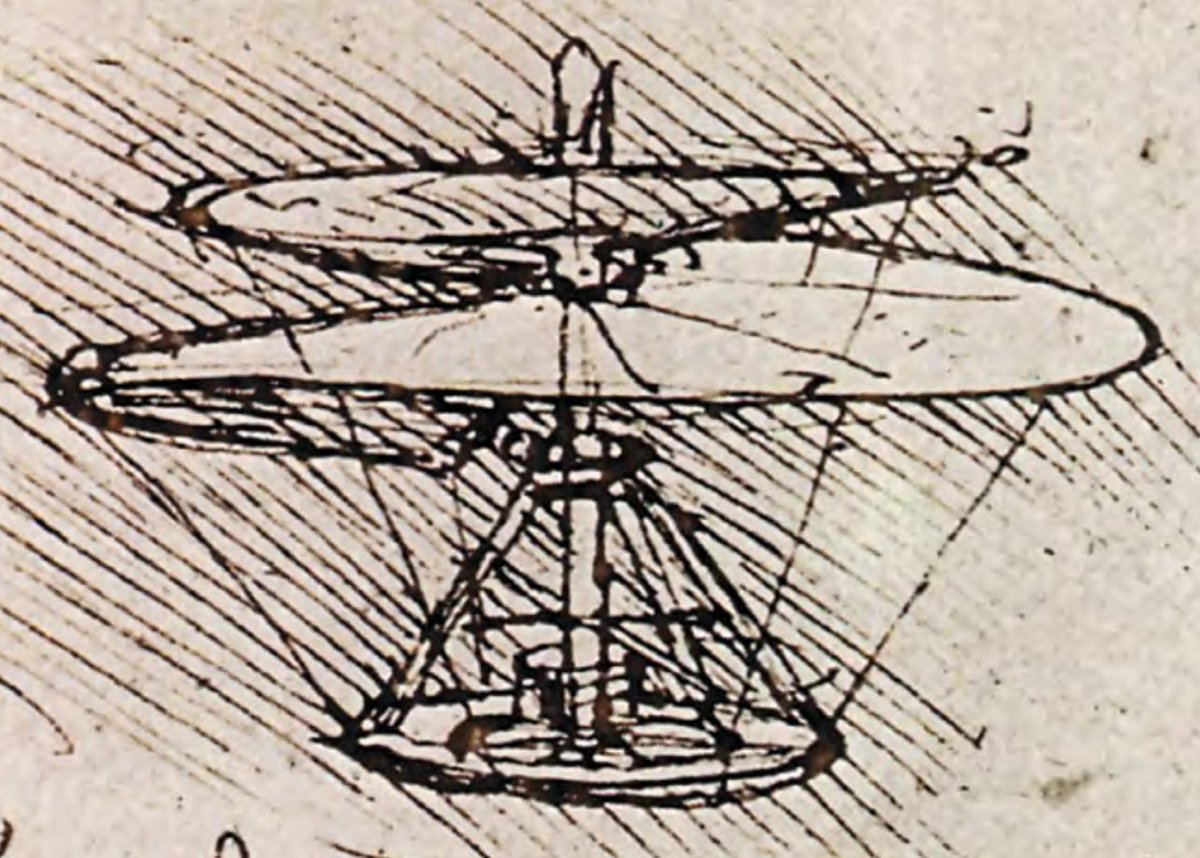
Aerial screw design (helicopter study), Leonardo da Vinci notebook, c.1489 public domain -
In fact, until quite late in his life, theater is what Leonardo was famous for, and what people paid him to do. This is because Leonardo had yet another stereotypically gay quality, which was chronically terrible time management.
-
Leonardo did painting and sculpture and was recognized from the beginning as being exceptionally talented at these things, but also a perfectionist. He was constantly coming back and re-doing things, and the result was he almost never finished anything.
-
The result is that Leonardo da Vinci, easily one of the most famous painters of all time, has barely two dozen paintings to his name. The Mona Lisa, generally regarded as his finest, was considered by him to not yet be finished.
-
There's a fair amount of historical evidence of people trying desperately to get Leonardo to finish something in time, drawing up extremely detailed legal contracts with very specific deadlines, most of which he blew past and never delivered on.
-
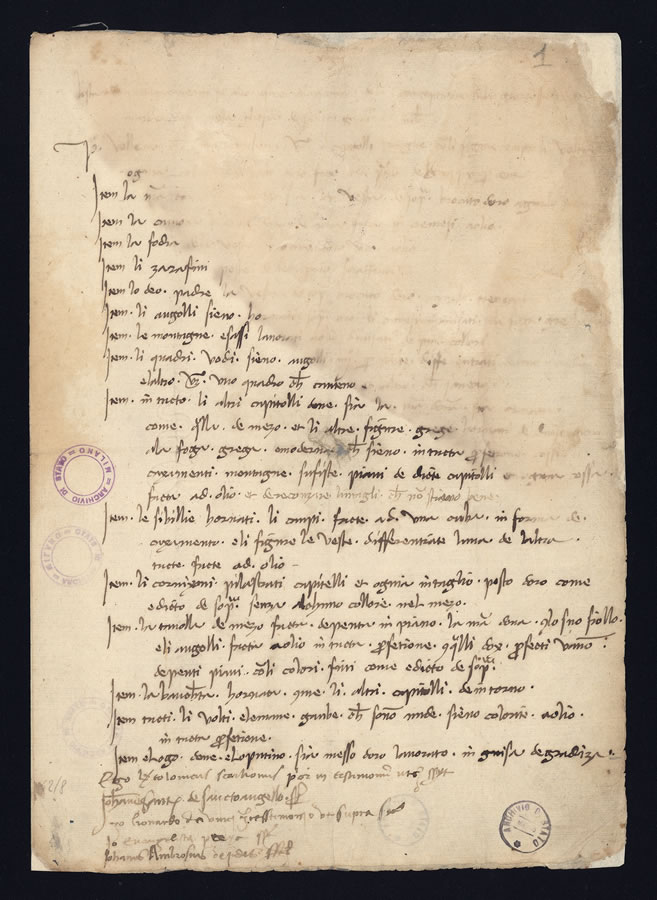
Page from Leonardo da Vinci's notebooks with mirror writing public domain -
But theater was different: the show would happen on a specific day at a specific time and whatever you'd got done by then is what went on stage. Leonardo was forced to deliver, and his work was universally praised as brilliant. But there's almost no record of what it looked like.
-
He had other ephemeral talents now lost to us: he was an excellent singer and a skilled musician, both playing instruments and designing a bewildering array of new ones. He was good at storytelling and told excellent jokes, often using his illustrations as props or gags.
-
Even some of his more durable work is lost. He designed an amazingly realistic, gigantic statue of a horse, to be cast in bronze. But a war broke out and the bronze was sent to make cannons instead, and the invading army used the clay model for target practice, destroying it.
-
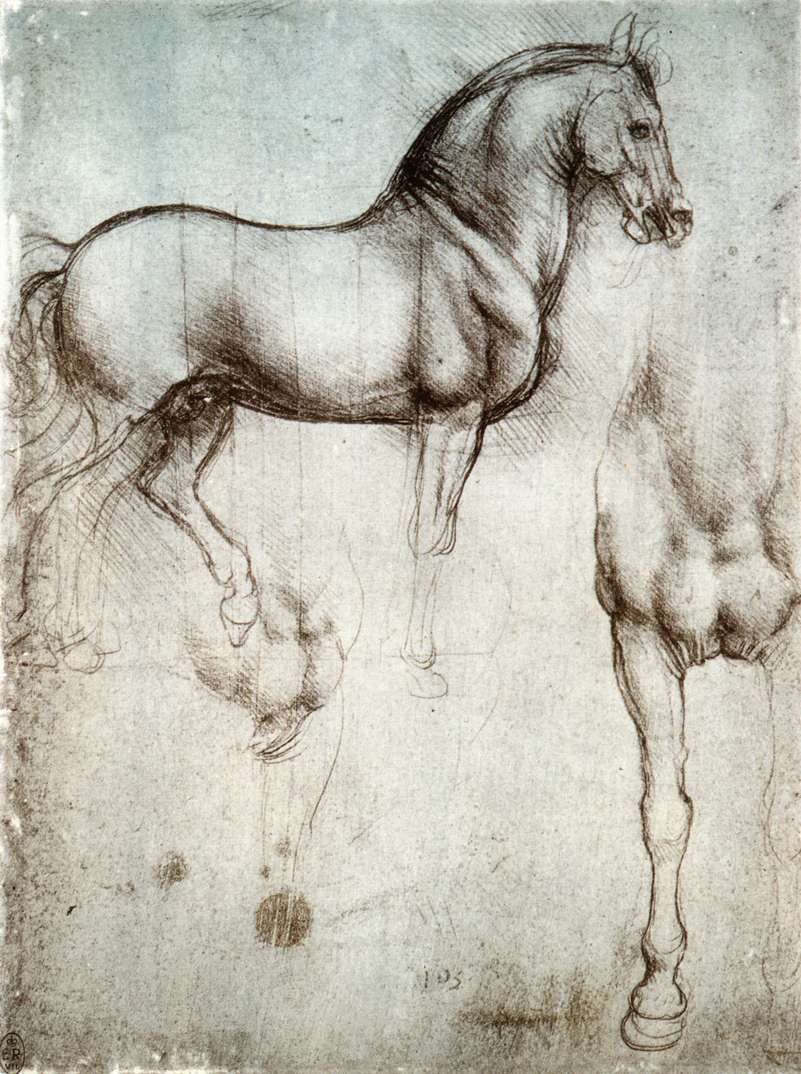
Study of a horse, Leonardo da Vinci, c.1490 public domain -
This is somewhat frustrating! His paintings are regarded as some of the greatest art ever produced, but Leonardo didn't list painting as even being in his top 5 skills when advertising himself to potential patrons! Just how good were those ephemeral things we'll never see?
-
And we're not even done listing Leonardo's talents. As you've probably heard, he was gifted at mechanical engineering as well. He used this to design musical instruments and also a great deal of clever machinery for moving people and scenery around in his plays and pageants.
-
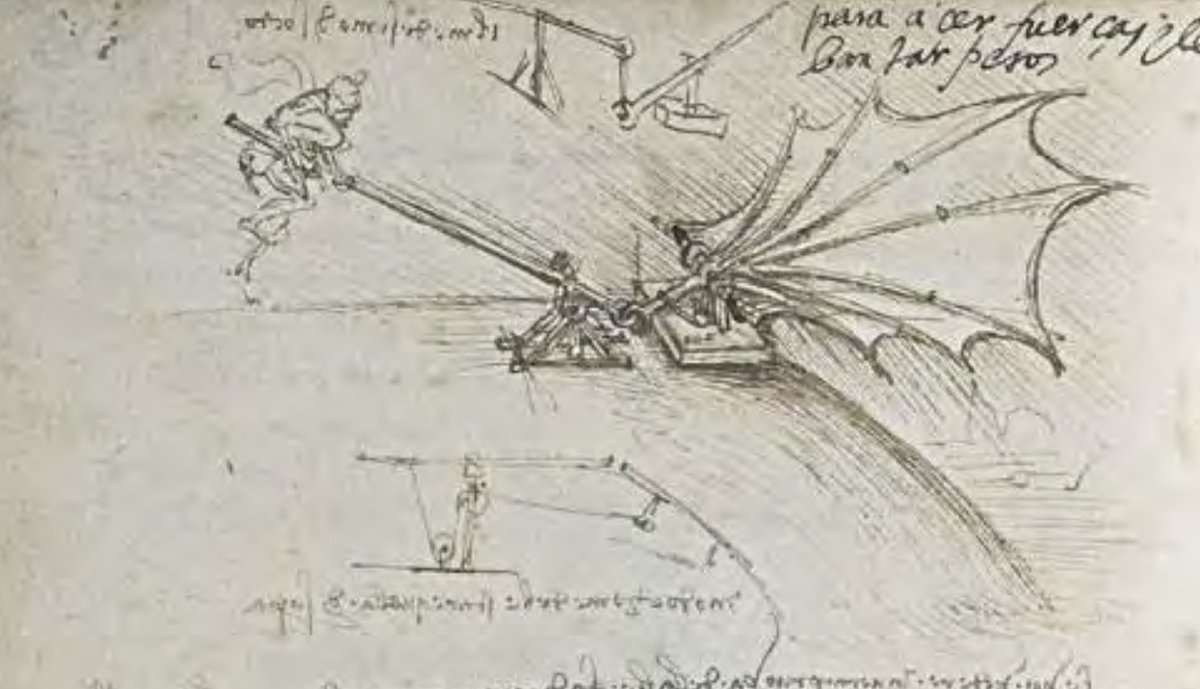
Flying machine design with bat-like wing, Leonardo da Vinci notebook, c.1485 public domain -
But he also used his engineering gifts for more serious purposes: he gleefully designed horrific war machines, including a tank, cannons, a giant crossbow, catapults, and mechanisms for destroying fortifications through fire and floods.
-
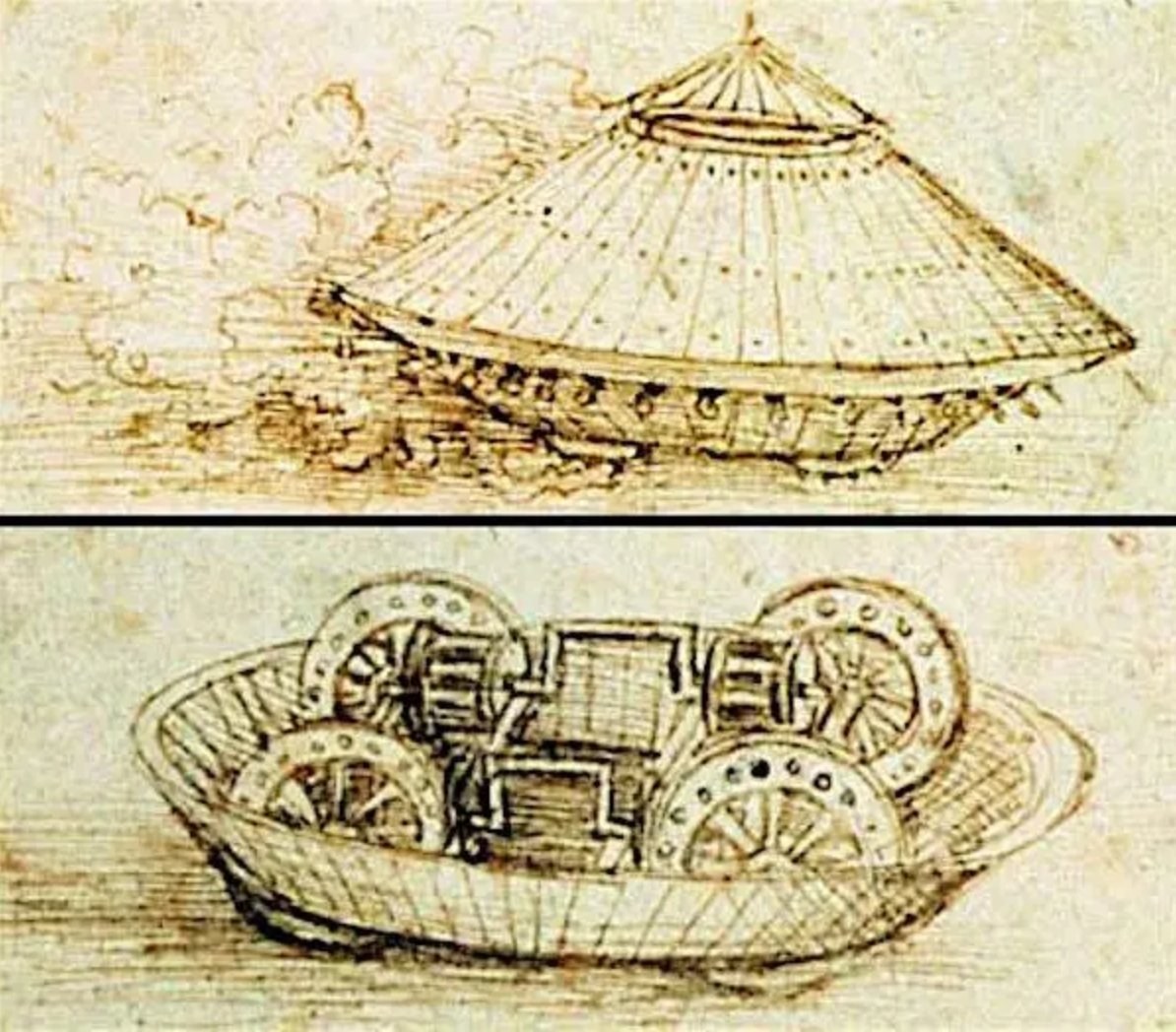
Armored vehicle (tank) design, Leonardo da Vinci notebook, c.1487 public domain -
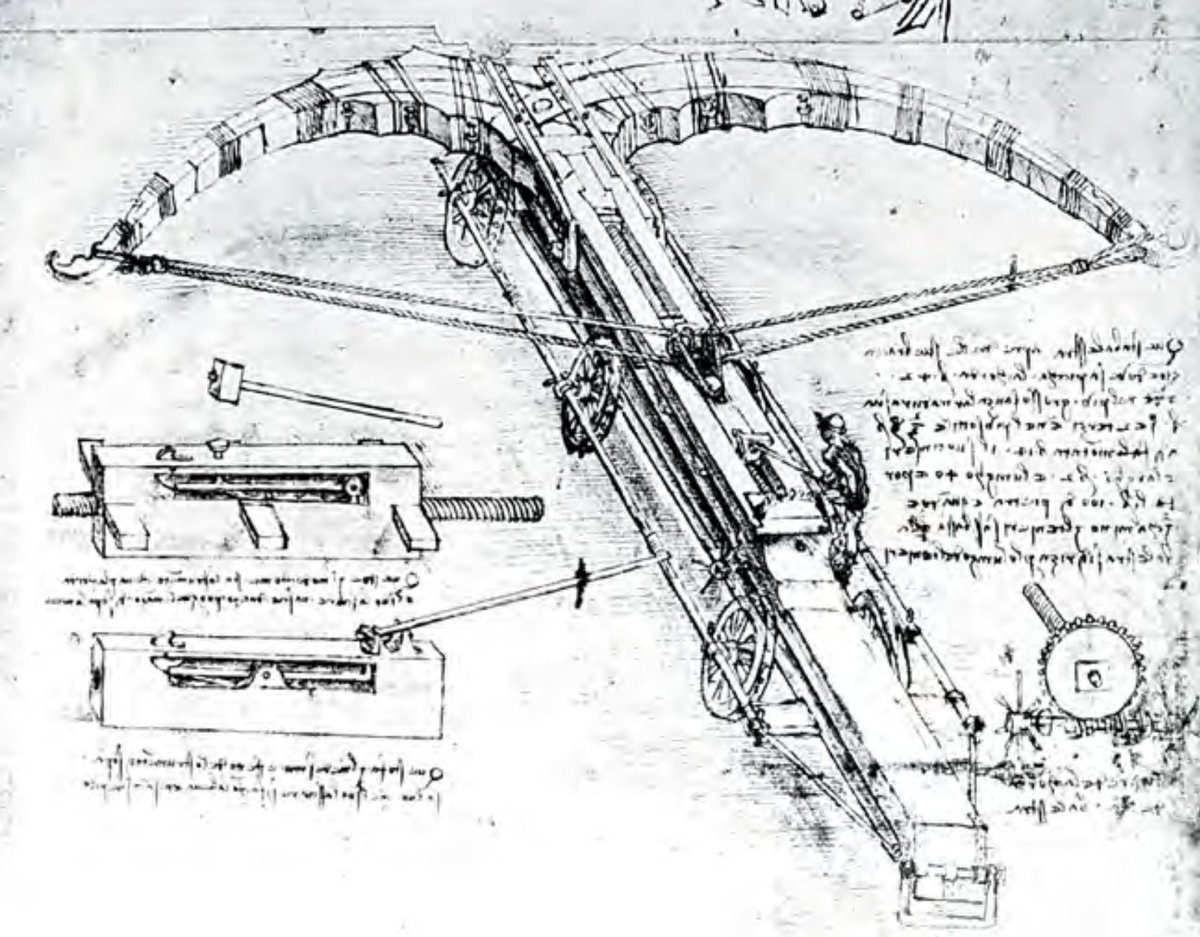
Giant crossbow design, Leonardo da Vinci notebook, c.1487 public domain -
He also built cities, at least in his head: he designed idealized cities, with elaborate sewer systems and underground streets to hide the unpleasant and unattractive things that make a city run, so everything on the surface would be clean and beautiful.
-
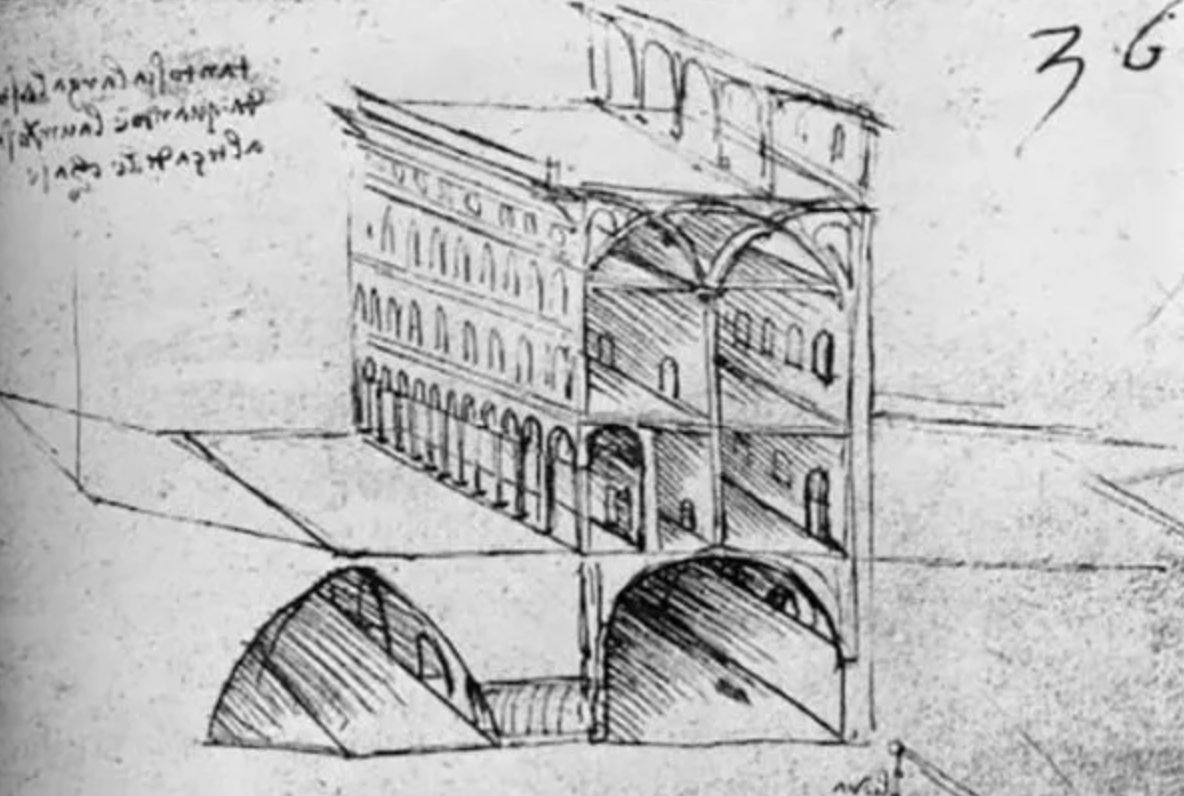
Architectural design for an ideal city, Leonardo da Vinci notebook, c.1487 public domain -
Leonardo had two superpowers from which all of his other talents derived: the first was limitless, unending curiosity about everything. The second was truly supernatural powers of observation: he noticed things nobody else noticed, and put them into his art.
-
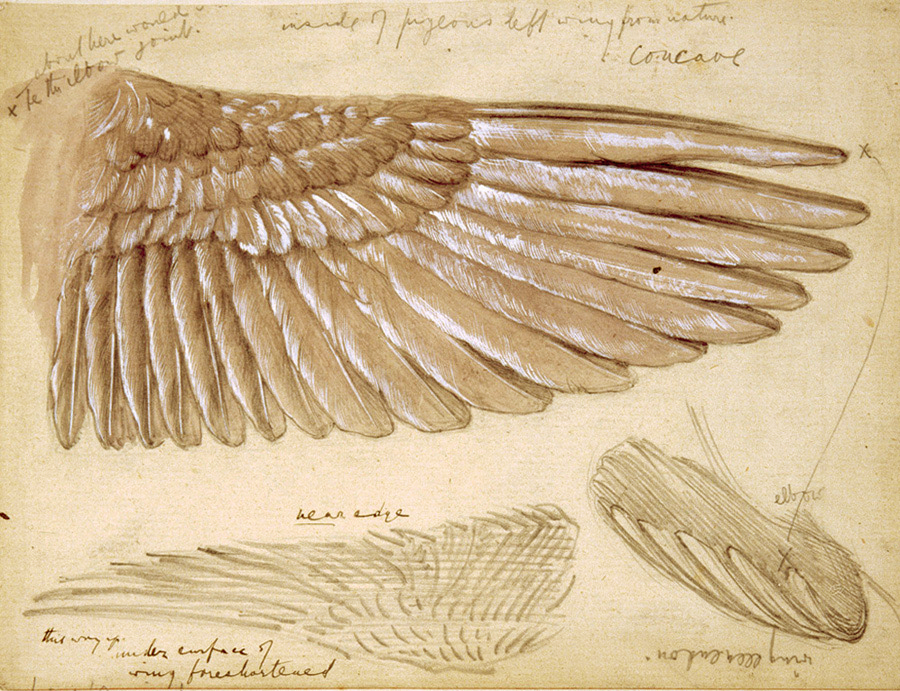
Study of a bird's wing, Leonardo da Vinci notebook, c.1490s public domain -
There are no end of examples of this. He studied the flight of birds, the way branches of trees split, how muscles in the body work, how water swirls in eddies, how hair curls. His paintings are amazing because he captures things nobody else notices.
-
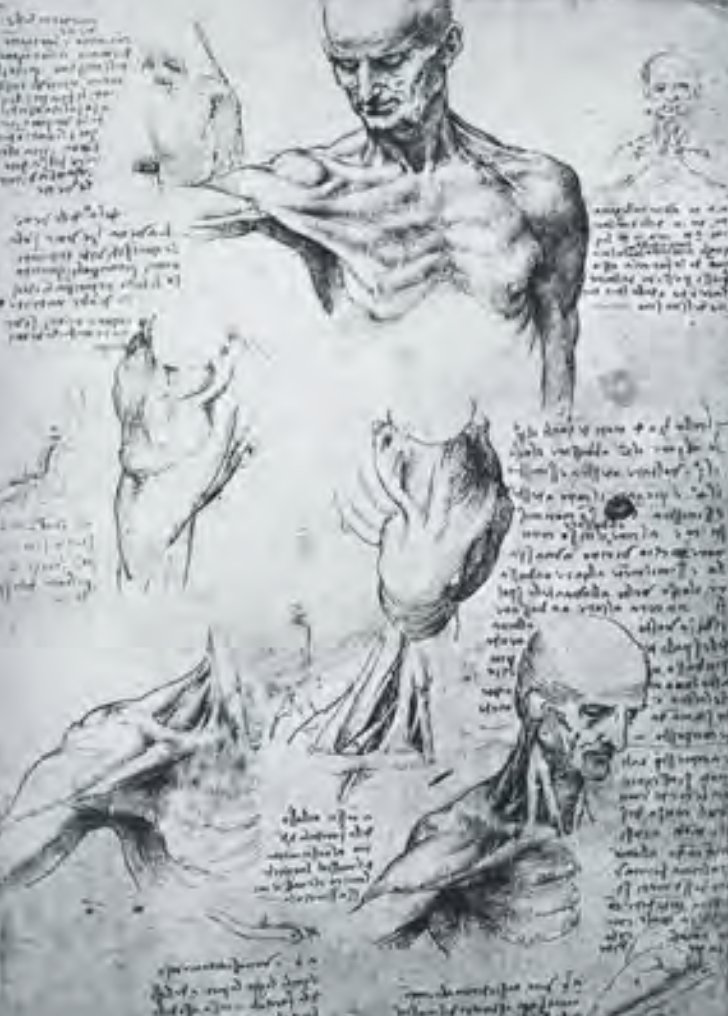
Anatomical study of muscles of the torso, Leonardo da Vinci notebook, c.1509-10 public domain -
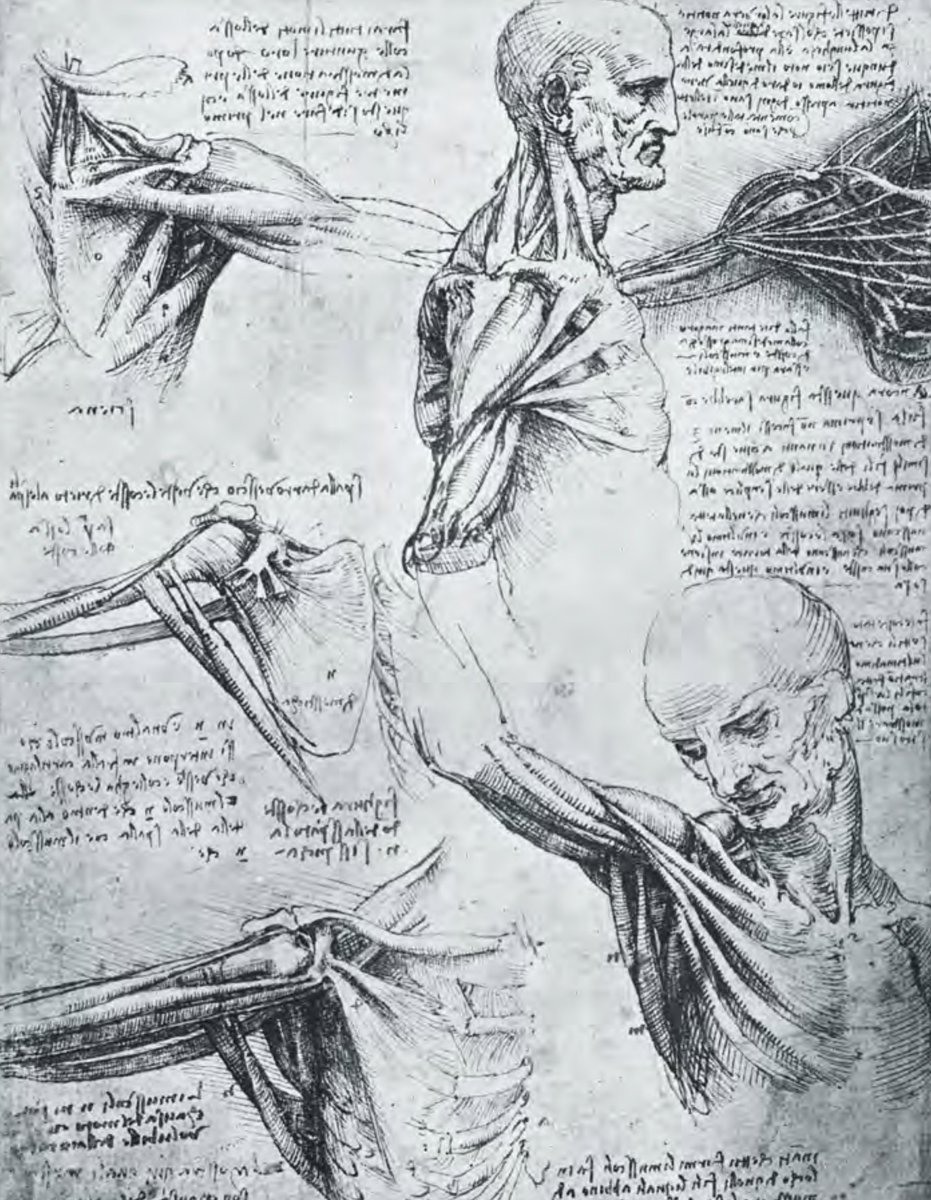
Anatomical study of shoulder and arm muscles, Leonardo da Vinci notebook, c.1509-10 public domain -
Back when he was an apprentice Leonardo spent an enormous amount of time on what are called "drapery studies". This is, literally, practicing drawing what cloth looks like when it drapes. He was, it's fair to say, pretty good at this by the end.
-
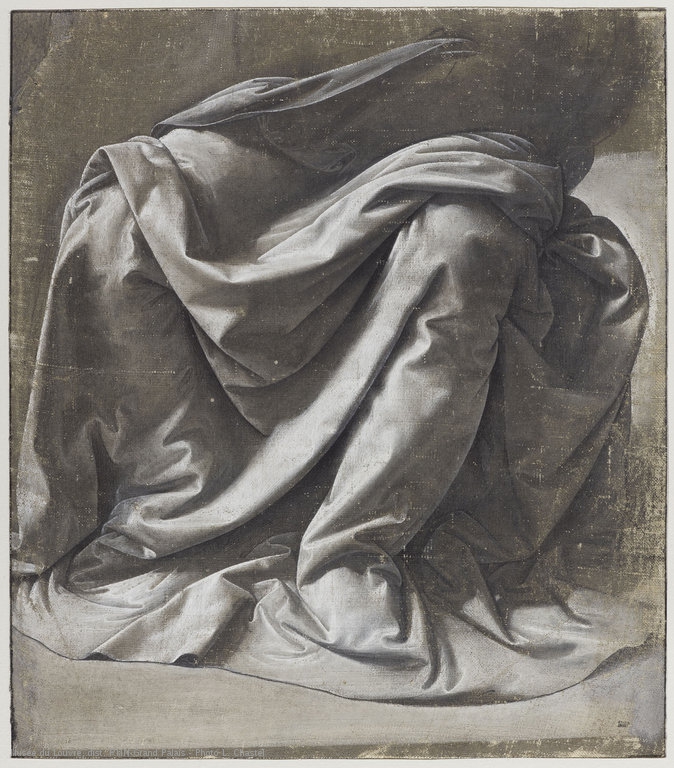
Drapery study, Leonardo da Vinci, c.1475 public domain -
He also invented a new *way* to paint based on his observation that in reality, your eye doesn't see things clearly: things further away get blurrier. He simulated this effect by using thin layers of paint, which also let him to make semi-transparent fabrics in his paintings.
-
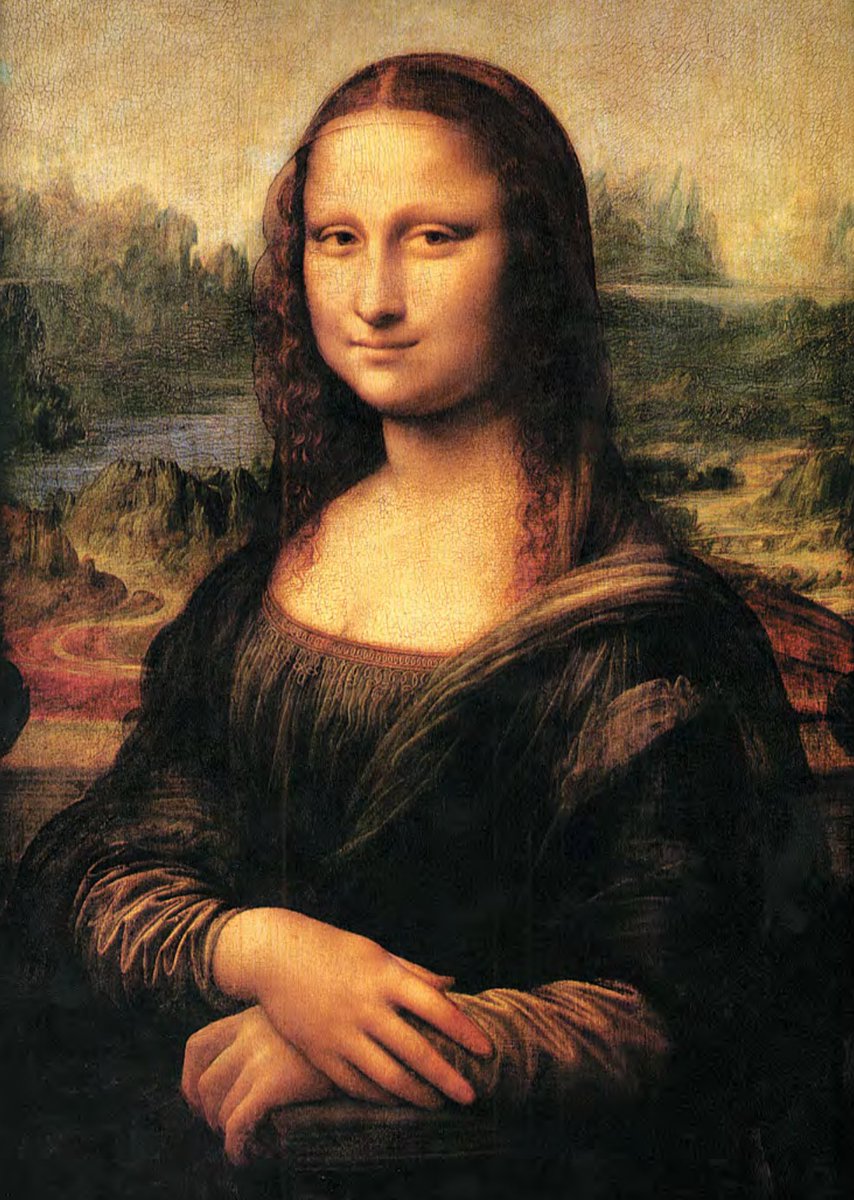
Mona Lisa, Leonardo da Vinci, c.1503-19, Louvre Museum public domain -
Not content with surface observations, he dissected corpses to find out how their muscles and organs worked. He wrote down findings about how blood flows around the heart that weren't rediscovered and proven for hundreds of years later.
-
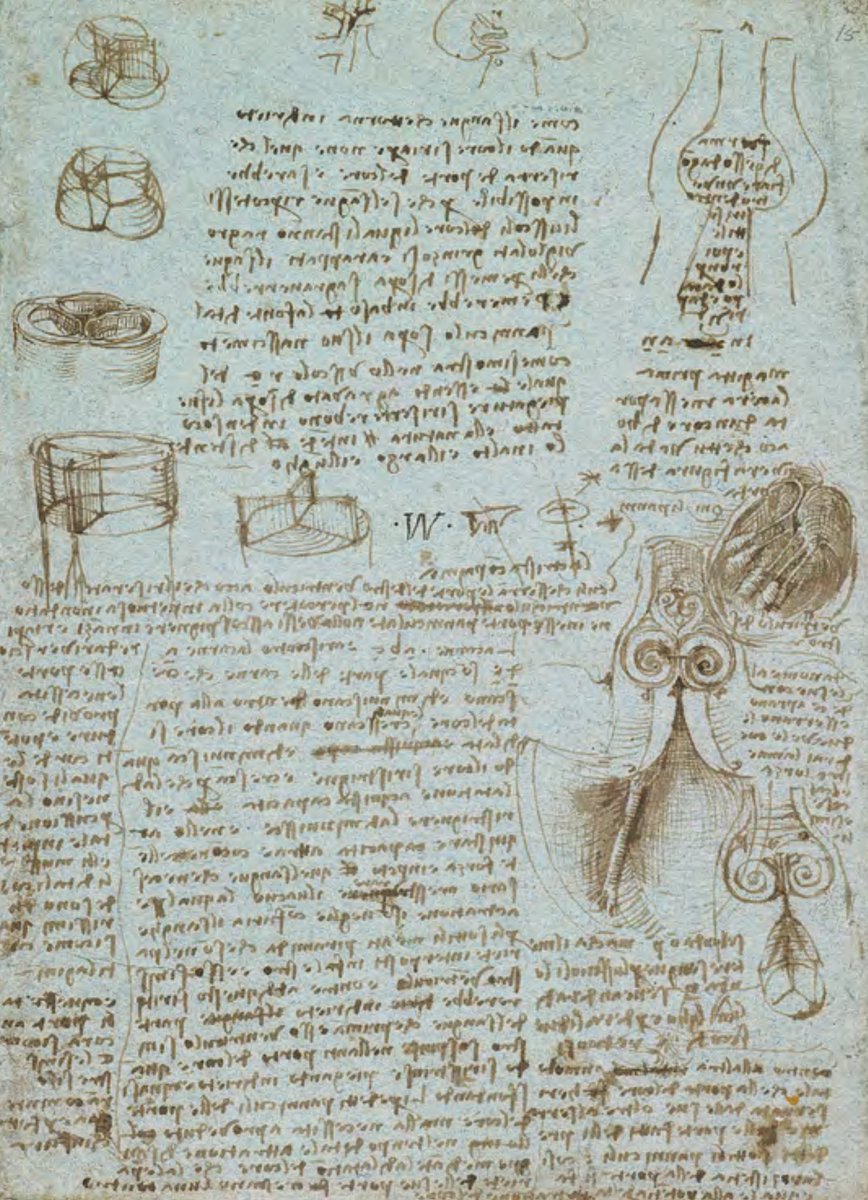
Notebook page with anatomical studies and mirror writing, Leonardo da Vinci public domain -
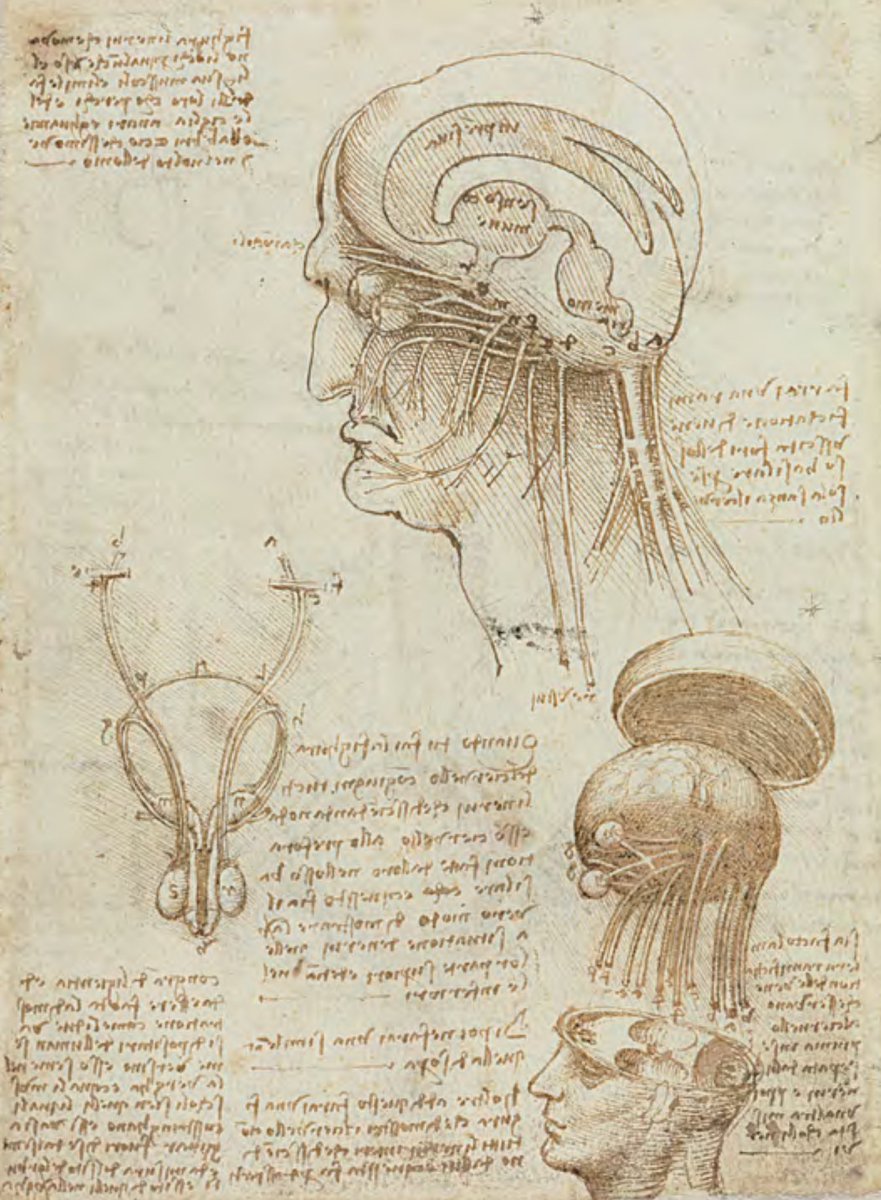
Anatomical study of the head and brain, Leonardo da Vinci notebook public domain -
He drew people from the inside out, starting with thinking about where their skeleton would be, then their muscles, then their skin, then their clothes. Mona Lisa's famously enigmatic smile is painted by somebody who spent weeks studying every single muscle of the lips.
-
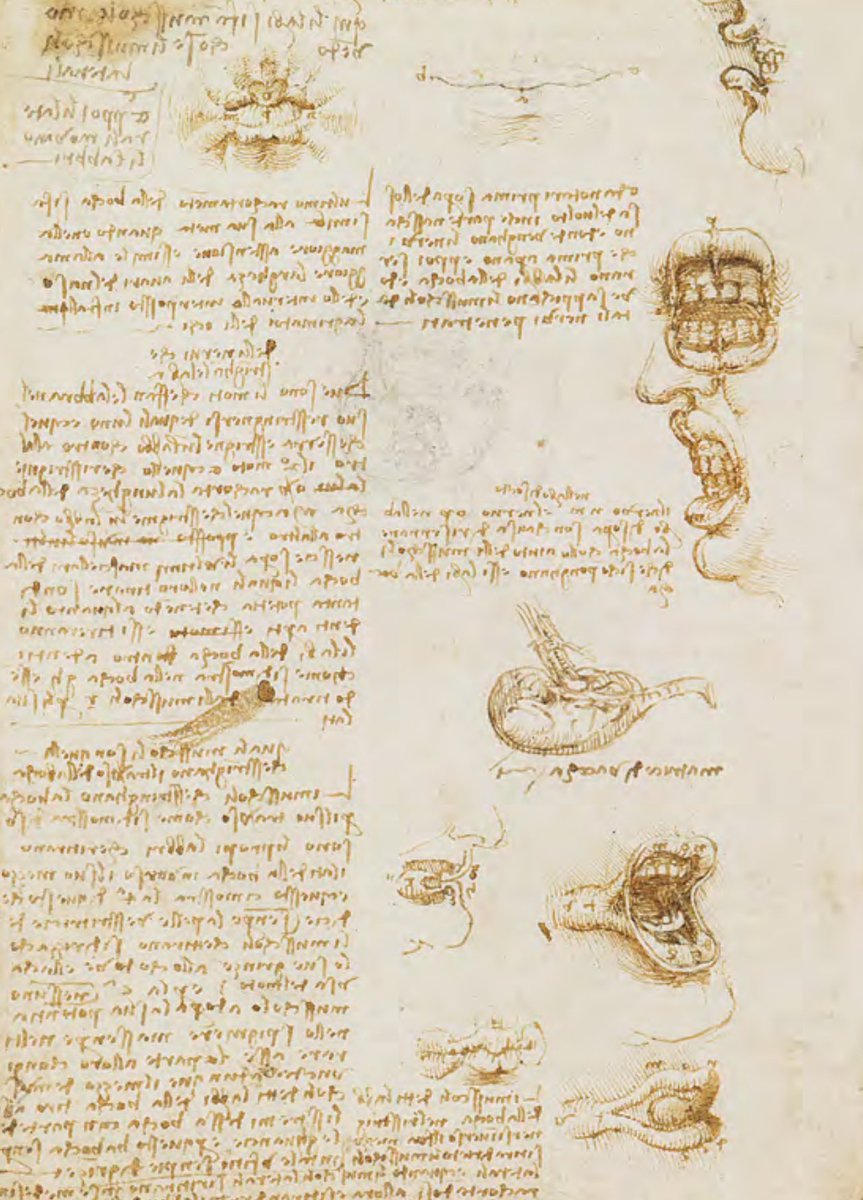
Anatomical study of the mouth and lips, Leonardo da Vinci notebook public domain -
By the end of his career he was so famous that he had contributed to a profound cultural shift: artists because individuals. It began to matter *who* did the art; artists began to sign their work, which Leonardo frustratingly never did.
-
There is so much of Leonardo's work that is lost or uncertain, but the one thing we do have is his notebooks, from which I have been liberally excerpting throughout this thread. He carried them with him everywhere and constantly scribbled things down.
-
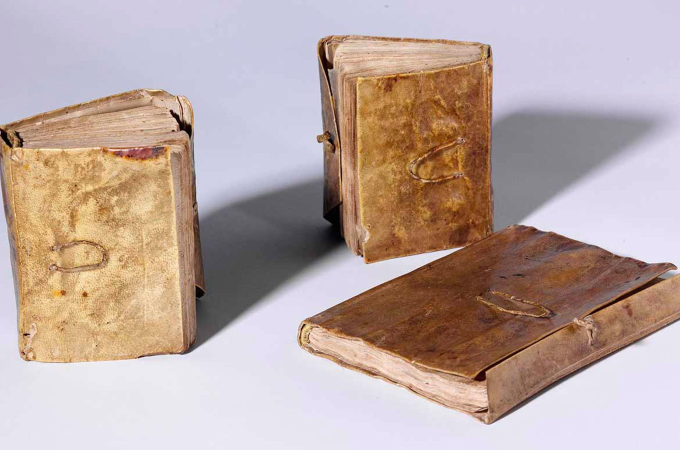
Leonardo da Vinci's notebooks via Wikimedia Commons (CC BY-SA) -
These notebooks are amazing, works of art themselves worth hundreds of millions of dollars now. This single page from one notebook has a study for The Last Supper, notes on the calculation of Pi, and architectural sketches for a church. They are how we know all this stuff.
-
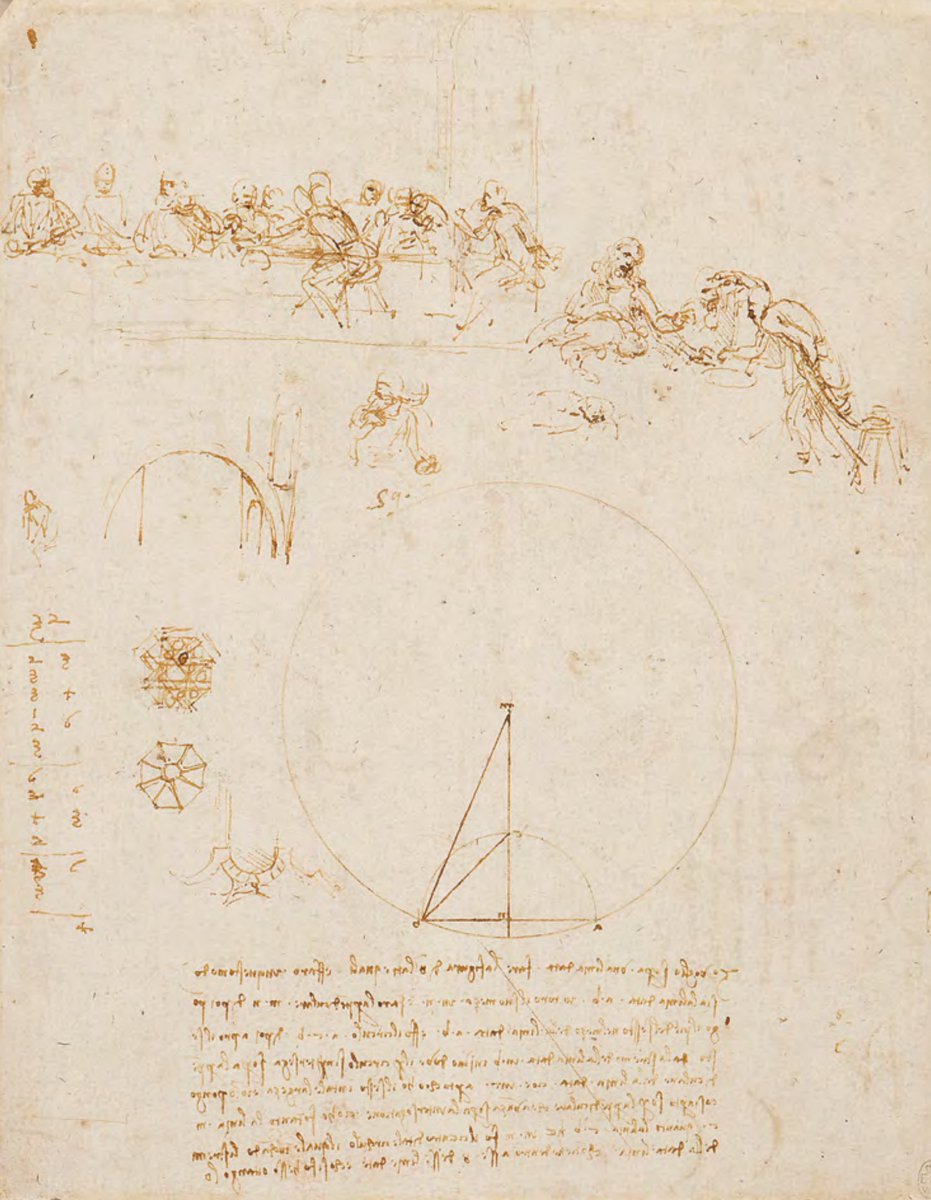
Notebook page with Last Supper composition study and geometric diagrams, Leonardo da Vinci, c.1490s public domain -
Leonardo's legacy is impossible to match. A multifaceted genius of every sort, he was hundreds of years ahead of science and art in half a dozen different areas, he helped redefine art and very concept of artistry. And he did it all dressed in hot pink tights. Sassy.
-
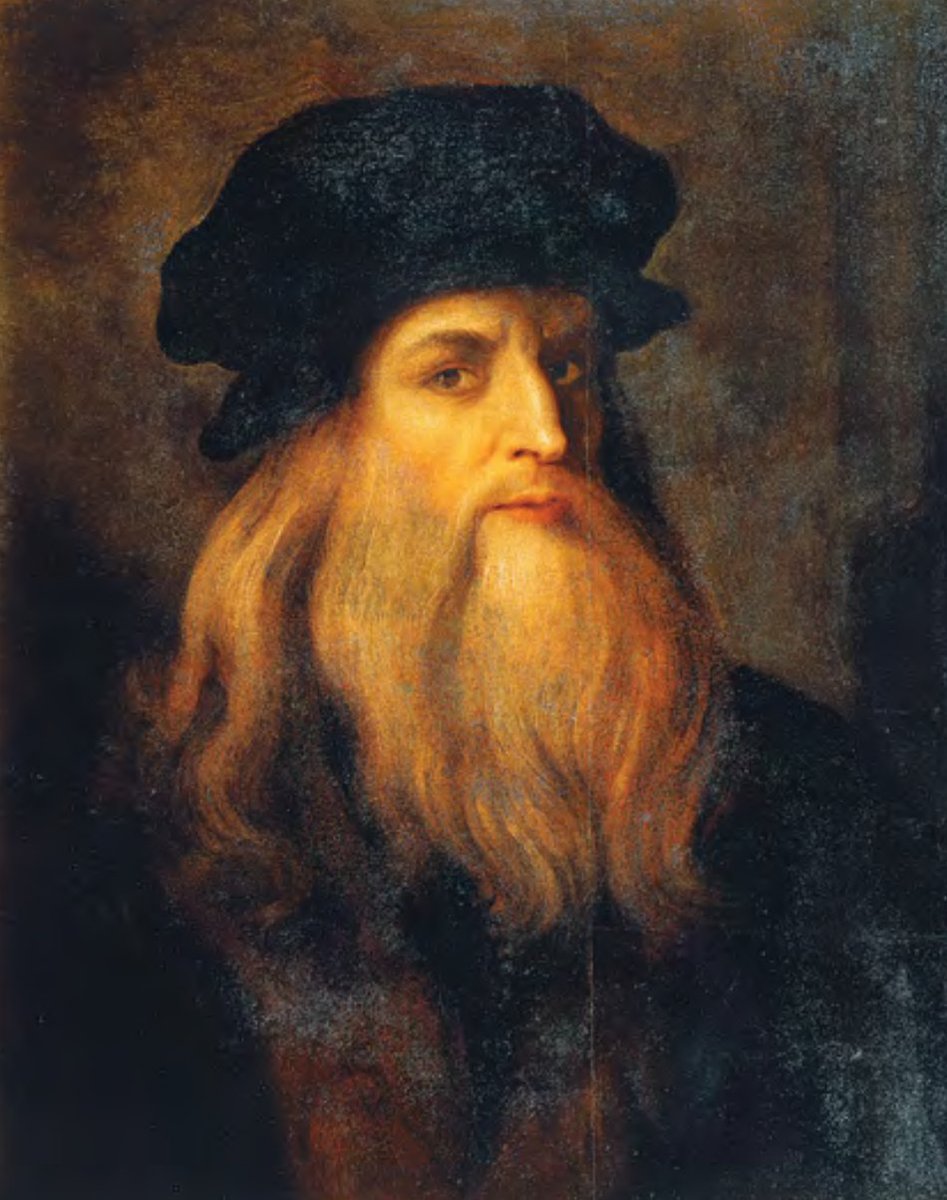
Portrait of Leonardo da Vinci, c.16th century public domain -
P.S. God there are so many typos in this that I'm only spotting now. I'm going to call them a mark of authenticity.
-
P.P.S. The biography I read was by Walter Isaacson, who also did a bio of Steve Jobs and kept comparing the two, which is just grossly, monstrously inappropriate. Jobs had pretty good taste in industrial design, Leonardo was 18 different kinds of genius and also not an asshole.
- Previously: Isabella of Castille
- Next: Copernicus
- Full list
Text and images copyright © 2020-2023 Laurie Voss
except where indicated
except where indicated